by Nick Glende | Sep 24, 2012 | Opinion
Sixty percent of Lipscomb students polled say they would text before using any other means of communication. A survey from Sept. 10. asked students “When you wish to contact someone, how would you normally do it? (assuming all options are available at the time you want to contact them).” The four options to choose from were phone call, text message, instant message (email, Facebook, etc.) or knock on their door (face to face). A few years ago the polls would have shown different results, but now most Americans, especially college students, carry a mobile phone. Rebecca Clark, a Lipscomb junior, has seen a decrease in the amount she calls and said she has grown maybe too comfortable with texting. “I used to call people a lot more, but texting just seems so much easier,” she said. “I’ve grown used to it, and now I tend to feel more awkward about calling someone. And I’d much rather send a text so I have time to respond, instead of be on the spot.” Judging by the poll results, 60 percent of the time, when communicating, nobody is actually talking. Things like tone of voice and body language are not a factor in a text message, meaning a lot of the time what you say can easily be misinterpreted. President of Lipscomb’s IT Department, Nick Painter, is familiar with this situation. “I can see how most people text instead of call nowadays, but texting is not always the best method,” he said. “Sometimes I’ll text my girlfriend and say something completely harmless, or I’ll be joking, and she’ll get mad at me, or it...
by Nick Glende | Oct 2, 2011 | News Slider
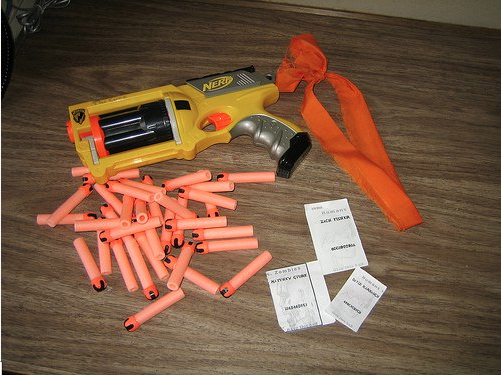
Just when you thought it was safe, a new strain of infection has appeared. You thought you had outlasted them, but they are making a return. Whether the human race lives or becomes zombie food is in your hands; so get your guns ready, we’re counting on you. Lipscomb University wants you to join the defensive forces against the incoming zombie horde. Another game of Humans vs. Zombies begins October 10. If you live under a rock or were unable to participate in the previous events, now is your chance. “What is Humans vs. Zombies?” you ask. Imagine a very large-scale game of tag, but much more in-depth. Students play campus-wide for days straight. One player starts as the “original zombie,” or “it,” and then tags other players who then become zombies themselves. But rather than just run away, you defend yourself with Nerf® weaponry. Head Administrator for HvZ, Brian Wessels, has high hopes and promises a much better experience for players this time. “The last couple of games we had instances of players who took the fun out of the game. We had people sign up and not participate and players who would break the rules. “We now have an administrative staff to prevent any cheating, and staff members can’t play. Also to get people more involved, we’re going to have missions and prizes. This will be our new core experience.” The missions will be mandatory, so people won’t just sit in their rooms and hide. They will consist of exciting adventures, such as escort and rescue missions, as well as a scavenger hunt. Players who complete the missions...
